Marketing automation is one of the most powerful tools modern businesses use to attract, nurture, and convert customers at scale. It lets you do all this without manually handling every interaction. If you’ve ever wondered what marketing automation actually is, how it works behind the scenes, and how to use it step by step, this guide breaks it down in plain English.
By the end of this article, you’ll understand:
- What marketing automation really means
- How marketing automation works (step by step)
- Real examples of marketing automation in action
- How to get started with marketing automation for your business

What Is Marketing Automation?
Marketing automation is the use of software and AI-driven tools to automatically manage, personalize, and optimize marketing tasks across channels such as email, websites, social media, SMS, and ads.
Instead of manually sending emails, tagging leads, or following up with prospects, marketing automation platforms automatically perform these actions based on predefined rules, user behavior, and data signals.
In simple terms: Marketing automation helps you send the right message to the right person at the right time — automatically.
Key Benefits of Marketing Automation
- Saves time by automating repetitive tasks
- Increases conversions with personalized messaging
- Improves lead nurturing and follow-ups
- Creates better customer experiences
- Helps sales teams close deals faster
- Tracks customer behavior across channels
- Scales your marketing without scaling your team
How Marketing Automation Works (Step-by-Step)
Here’s how marketing automation works in a practical, real-world workflow:
Step 1: Capture Leads & Customer Data
Marketing automation begins with collecting data from multiple touchpoints:
- Website forms
- Newsletter signups
- Landing pages
- Chatbots
- Free trials
- Social media campaigns
- CRM systems
Example:
A visitor downloads your free guide. Their name, email, and interests are stored in your marketing automation system.
Step 2: Segment Your Audience
Once leads enter your system, they are automatically categorized into groups based on:
- Industry
- Behavior (pages visited, emails opened, downloads)
- Purchase history
- Location
- Funnel stage
- Engagement level
Example:
Users who downloaded a “Beginner’s Guide” are tagged as early-stage leads. Users who viewed pricing pages are tagged as high-intent prospects.
Step 3: Trigger Automated Workflows
A workflow is a series of automated actions triggered by user behavior.
Common triggers:
- Signing up for a newsletter
- Visiting specific pages
- Clicking an email link
- Abandoning a cart
- Requesting a demo
Example Workflow:
User signs up →
Wait 1 day →
Send welcome email →
Wait 2 days →
Send educational content →
If they click pricing →
Send product demo invite
Step 4: Personalize Content Automatically
Marketing automation uses data to personalize messages:
- First name in emails
- Relevant product recommendations
- Industry-specific content
- Dynamic website content
- Tailored follow-up messages
Example:
A SaaS company sends different emails to:
- Startup founders
- Marketing managers
- Enterprise buyers
Each user receives content matched to their role and needs.
Step 5: Lead Scoring & Qualification
Marketing automation platforms assign scores to leads based on behavior:
- Email opens
- Link clicks
- Website visit
- Webinar attendance
- Demo requests
High scores indicate sales-ready leads.
Example:
If a lead:
- Visits the pricing page
- Opens 3 emails
- Requests a demo
They are automatically sent to the sales team as a qualified lead.
Step 6: Automate Sales Handoffs
When a lead becomes sales-ready:
- The system assigns the lead to a sales rep
- Notifies the sales team
- Sends internal alerts
- Updates the CRM
- Triggers follow-up tasks
This ensures no hot lead falls through the cracks.
Step 7: Measure, Optimize & Improve
Marketing automation platforms provide analytics and performance tracking:
- Open rates
- Click-through rates
- Conversion rates
- Funnel drop-off points
- Revenue attribution
- Campaign ROI
You can then optimize workflows, messages, and timing based on real data.
Real-World Examples of Marketing Automation
Example 1: E-Commerce Store
- User views product
- Leaves without buying
- Automated abandoned cart email sent
- Follow-up discount sent after 48 hours
- Product recommendation based on browsing history
Example 2: B2B SaaS Company
- Lead downloads a whitepaper
- Automated onboarding email sequence
- Personalized product education
- Lead scoring identifies buying intent
- Demo invite sent automatically
- Sales rep notified
Example 3: Local Service Business
- Website visitor submits contact form
- Instant SMS confirmation sent
- Automated appointment reminder
- Follow-up review request after service
What Tools Are Used for Marketing Automation?
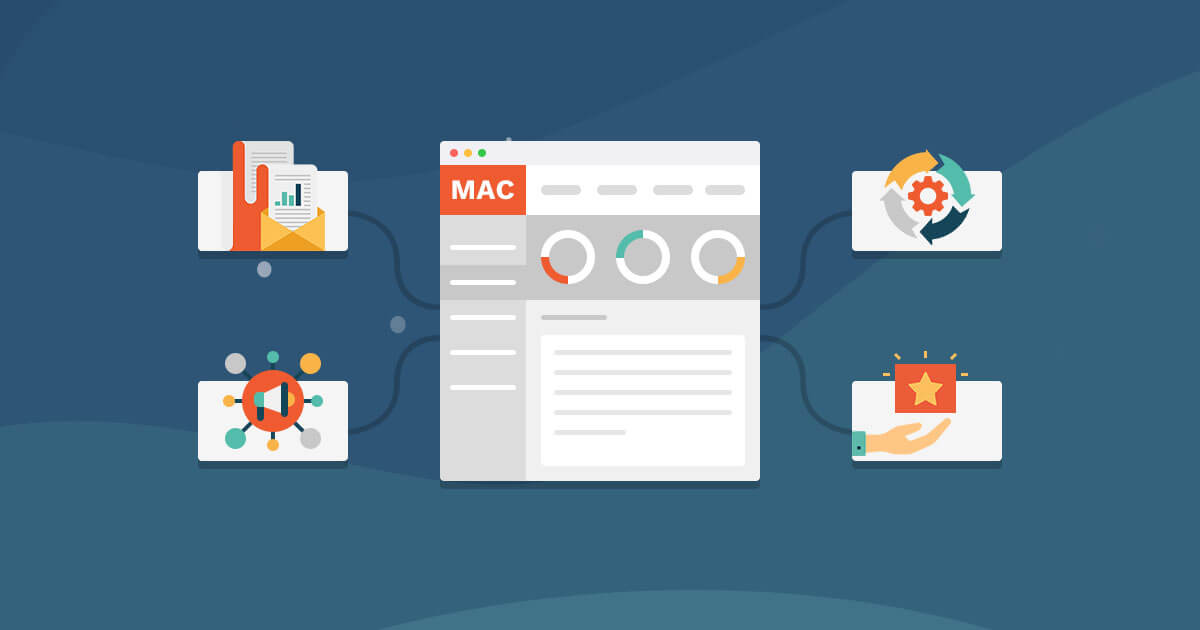
Marketing automation tools typically include:
- Email automation
- CRM integration
- Customer segmentation
- Workflow builders
- AI-powered personalization
- Analytics dashboards
- SMS and WhatsApp automation
- Lead scoring
- Funnel tracking
Modern marketing automation platforms often integrate AI-powered personalization and full customer journey orchestration, enabling better results and higher ROI.
Common Marketing Automation Mistakes to Avoid
- Over-automating without personalization
- Sending too many emails
- Poor segmentation
- Not aligning marketing and sales
- Ignoring analytics
- Creating complex workflows without testing
- Automating bad processes
How to Get Started With Marketing Automation (Beginner-Friendly Plan)
- Map your customer journey
- Identify repetitive marketing tasks
- Start with one simple workflow (welcome email series)
- Add lead segmentation
- Introduce lead scoring
- Connect your CRM
- Optimize based on performance data
- Scale with AI-driven personalization
Final Thoughts: Why Marketing Automation Is Essential in 2026 and Beyond
Marketing automation is no longer optional — it’s a core growth engine for modern businesses. With AI-driven personalization, predictive analytics, and multi-channel orchestration, marketing automation helps businesses deliver human-like experiences at scale.
If you want to:
- Grow faster
- Convert more leads
- Build better customer relationships
- Compete with larger brands
Marketing automation is one of the highest ROI investments you can make.
Want to Implement Marketing Automation for Your Business?
If you’re looking for expert guidance, AI-powered workflows, or done-for-you marketing automation systems, Marketing Automation Canada can help you with:
- Free strategy audits
- Marketing automation templates
- AI-powered growth systems
- Step-by-step implementation services
Contact us to book your free consultation: